
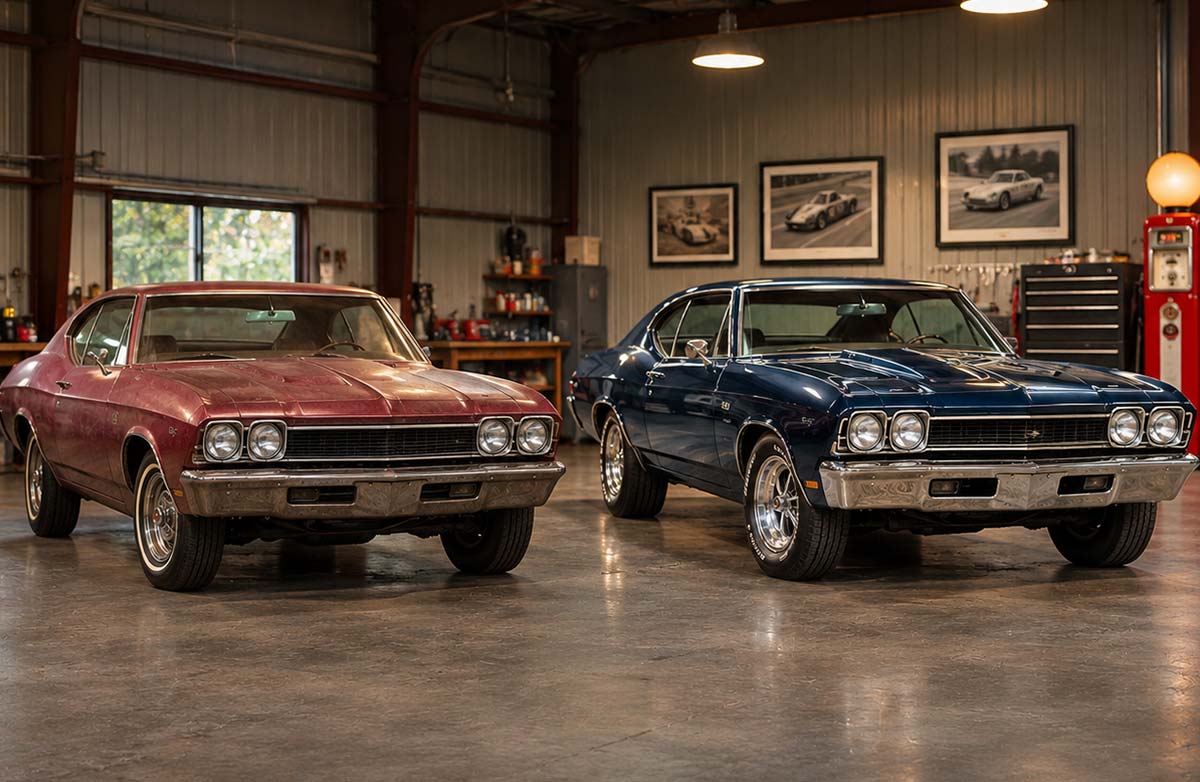
Every collector has a preference. Some appreciate the history and character of a well-preserved original, while others are drawn to the craftsmanship of a beautifully restored classic. But which is the better choice?
The answer depends on what you value most in a collector vehicle. Both offer unique advantages, and understanding the differences can help you make a more informed purchase.
The Appeal of an Original Collector Car
There's something special about a vehicle that has survived decades with much of its original character intact.
Often called survivor cars, these vehicles retain significant original features, such as factory paint, interior materials, and mechanical components. Their imperfections, commonly referred to as patina, can be part of their appeal.
For collectors who value authenticity and preservation, a well-maintained original can be particularly desirable. Certain models with documented originality may even command premiums over comparable restored examples.
However, originality doesn't automatically mean better condition. Age-related wear, mechanical needs, and previous repairs should all be considered before purchasing.
The Appeal of a Restored Classic
A professionally restored collector car offers a different kind of satisfaction.
Restoration can bring a vehicle back to its original appearance and condition, sometimes incorporating improvements that enhance reliability or drivability.
For buyers who want a classic they can enjoy at shows, on weekend drives, or as part of a collection, a quality restoration can be an attractive option.
But not all restorations are equal. Workmanship, authenticity, replacement components, and documentation can significantly influence a vehicle's desirability.
A beautiful paint job alone doesn't tell the whole story.
What Should You Consider Before Buying?
Whether you're considering an original survivor or a restored classic, a few factors deserve attention:
- Condition: Evaluate the vehicle's mechanical and structural condition, not just its appearance.
- Documentation: Ownership history, factory records, maintenance receipts, and restoration records can help establish a vehicle's background.
- Authenticity: Original components, factory specifications, and the extent of any modifications may affect collector interest.
- Your goals: Are you looking for a weekend driver, a show car, or a long-term addition to your collection?
A knowledgeable inspection can also help identify issues that aren't immediately visible.
What About Financing?
Original and restored collector cars can both present unique considerations when exploring financing.
Unlike conventional vehicles, collector cars may be evaluated based on characteristics such as condition, age, modifications, and supporting documentation, depending on the lender's requirements.
Collector Car Leaders coordinates financing through specialty lenders familiar with classic, exotic, and collector vehicles. We help buyers explore financing options while coordinating the process with our lender partners.
The Right Car Is the One That Fits You
There's no universal winner in the original-versus-restored debate.
Some collectors wouldn't trade the authenticity of an original survivor for anything. Others prefer the finish, craftsmanship, and driving experience of a carefully restored classic.
Both can be rewarding choices when you understand what you're buying.
You know the car. We know the lenders.
Considering your next collector vehicle? Explore your financing options at CollectorCarLeaders.com.
Recommended Article:
The Importance of Using Original Parts on Classic and Exotic Cars
Collector Car Leaders is not a lender or a bank. We work with a network of specialty lenders to help collectors find financing options that fit their situation. All financing decisions are made by third-party lenders and are subject to credit approval and the lender's terms.